|
------------------------------------------------------------------------------------------------------------
Research in the Dedon Lab focuses on the chemical biology of nucleic acids in three broad areas: epigenetics, epitranscriptomics, and genetic toxicology.
Microbial and human epigenetics and epitranscriptomics
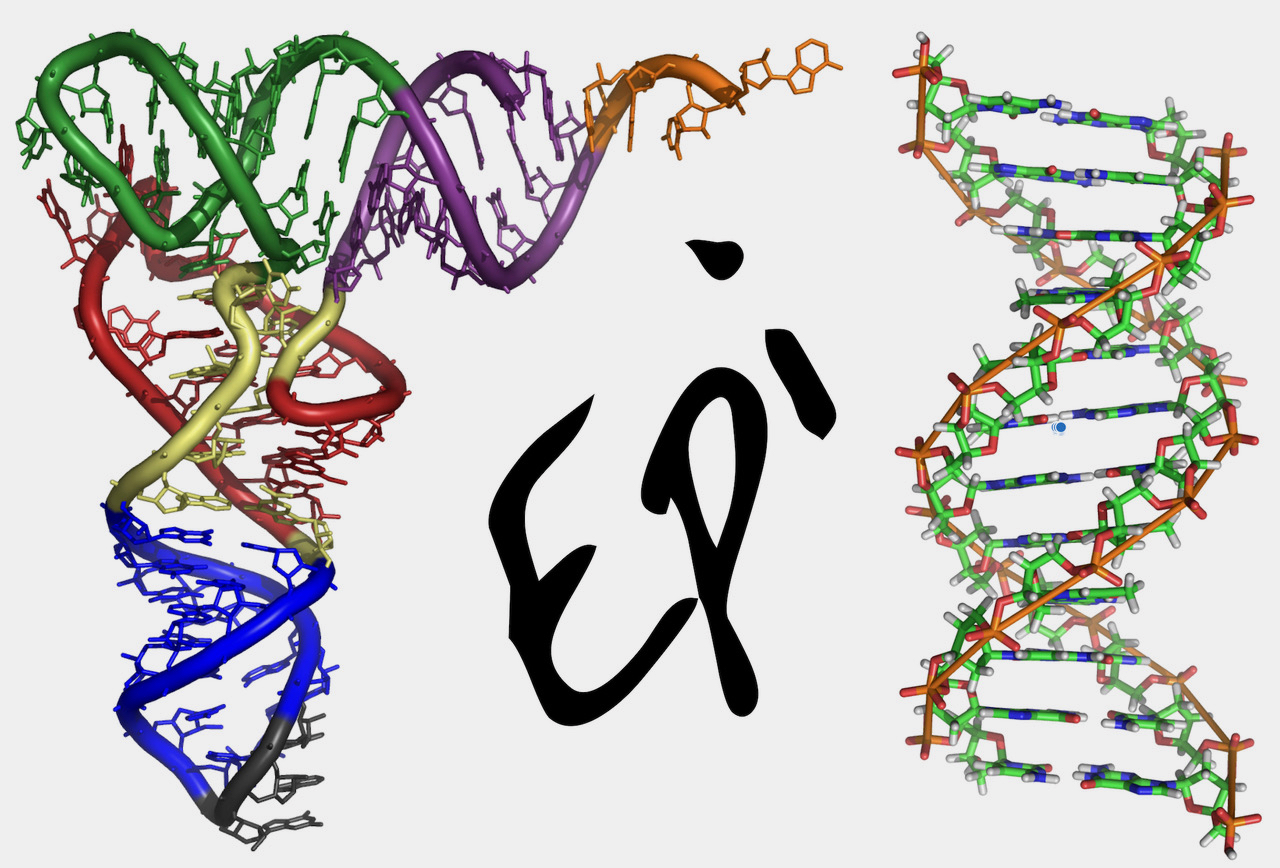 Though DNA and RNA modifications have been known for many decades, the emergence of systems-level "'omic" technologies has revealed new functions for post-synthetic nucleic acid modifications that leave the underlying genetic code unchanged. The epigenome of ~20 DNA modifications schedules transcription and mediates in microbial immunity, while the epitranscriptome schedules translation, with >140 chemical modifications of all forms of RNA. Though DNA and RNA modifications have been known for many decades, the emergence of systems-level "'omic" technologies has revealed new functions for post-synthetic nucleic acid modifications that leave the underlying genetic code unchanged. The epigenome of ~20 DNA modifications schedules transcription and mediates in microbial immunity, while the epitranscriptome schedules translation, with >140 chemical modifications of all forms of RNA.
The Dedon Lab and our many collaborators have developed a variety of analytical and informatic platforms for discovery science in epigenetics and epitranscriptomics in infectious disease, antimicrobial resistance, the human microbiome, and cancer and age-related diseases. One platform coordinates comparative genomics, single-molecule real-time sequencing, and mass spectrometry to discover novel DNA modifications, such as phosphorothioate and 7-deazaguanine modifications in bacterial and bacteriophage genomes. Work in bacteriophage points to a tremendous variety of DNA modifications with implications for biotechnology, synthetic biology, and human health and disease. For example, we have found oxidation-sensitive phosphorothioate DNA modifications in 10-20% of the organisms in the human microbiome.
In the realm of the epitranscriptome, we have applied systems-level analytics to discover a mechanism of translational modulation of gene expression common to humans, parasites, yeast, bacteria, and viruses. Here, environmental stressors cause a "reprogramming" of dozens of tRNA modifications to facilitate selective translation of codon-biased mRNAs critical to the cell stress response and survival, with families of stress-response genes defined by unique biases in the use of synonymous codons.
 The Dedon Lab is now leveraging these epigenetic and epitranscriptomic discoveries to develop enzymatic tools for biotechnology, methods for industrial microbiology and protein production, and new antimicrobial agents. The Dedon Lab is now leveraging these epigenetic and epitranscriptomic discoveries to develop enzymatic tools for biotechnology, methods for industrial microbiology and protein production, and new antimicrobial agents.
Inflammation and genetic toxicology
The Dedon Lab has had a long-standing interest in chemical etiology of human disease, with a focus on the role of inflammation and endogenous DNA damage as drivers of carcinogenesis and age-related diseases. We have developed a variety of analytical tools to interrogate genetic toxicology and endogenous molecular damage, including sensitive chromatography-coupled mass spectrometric methods to quantify dozens of different DNA, RNA and protein damage products. This 'omic approach to quantifying molecular damage allows us to interrogate all types of inflammation chemistry occurring in a tissue, including macrophage-induced oxidative and nitrosative stresses and neutrophil-mediated halogenation chemistry, as well as the indirect damage caused by generation of reactive electrophiles by oxidation of sugars and lipids.
Research in the Dedon Lab is broadly organized into three major areas:
- The genetic toxicology of inflammation and aging
- The epitranscriptome in infectious disease and cancer
- The epigenetics of the human gut microbiome and microbial pathogens
tRNA image: Yikrazuul CC BY-SA 3.0 from Widimedia Commons
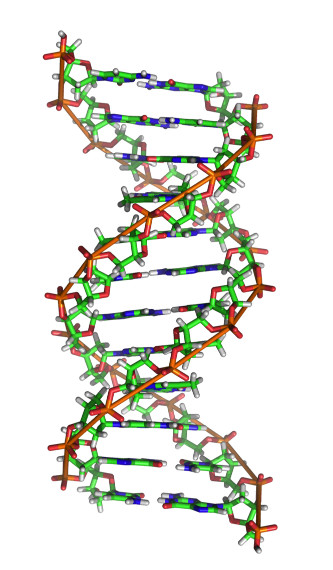
DNA image: Zephyris at the English language Wikipedia GFDL
|